This article is part of my Fatal Frame II: Crimson Butterfly Analysis series, focusing on the meaning and structure of the Black Flame Butterfly ending.
In the previous article, I organized and analyzed the prequel novel The Forest Where the Promise Disappeared.
This time, I will organize and analyze the novel ending Black Flame Butterfly.
This ending is quiet, cruel, and beautiful.
What is depicted here is not simply death or loss.
It is the pain of living as separate people.
It is the fear that “Together forever” may no longer be possible.
And it is the path by which that wish is fulfilled—not in reality, but inside a darker, more enclosed place.
Please note that this article contains major spoilers for Fatal Frame II: Crimson Butterfly. If you want to review the main story first, I recommend starting with the Fatal Frame II: Crimson Butterfly main story overview before reading this analysis.
- Synopsis of the Novel Ending Black Flame Butterfly
- Chapter 1: The Edge of the Utsuro — The Memory of That Day Revealed
- Chapter 2: Deep Within the Darkness — The Memory of Letting Go Repeats
- Chapter 3: Nostalgia for Death — The Kurosawa House Tragedy and the Place Mayu Truly Desired
- Chapter 4: Black Flame Butterfly — The Butterflies Are Released, and Calamity Spreads Beyond the Village
- Chapter 5: Descent into Zero — The Final Black Flame Butterfly Left After Everything Ends
- Analysis of the Novel Ending Black Flame Butterfly
- What Mayu Truly Wanted
- Mio’s Choice: Why She Abandoned What Was Right
- The Black Butterfly: What the Black Flame Represents
- What Is the Utsuro?
- Whose Words Are “Everyone Died”?
- The Promise of “Together Forever”: Was the Black Flame Butterfly Ending Happy?
- Summary: Black Flame Butterfly as the Most Distorted Fulfillment of Their Wish
Synopsis of the Novel Ending Black Flame Butterfly
First, I will organize the flow of the novel ending Black Flame Butterfly scene by scene.
Note: Because this ending has many scene transitions, I recommend getting an overview of the full sequence first. Doing so will make the later analysis easier to follow.
Chapter 1: The Edge of the Utsuro — The Memory of That Day Revealed
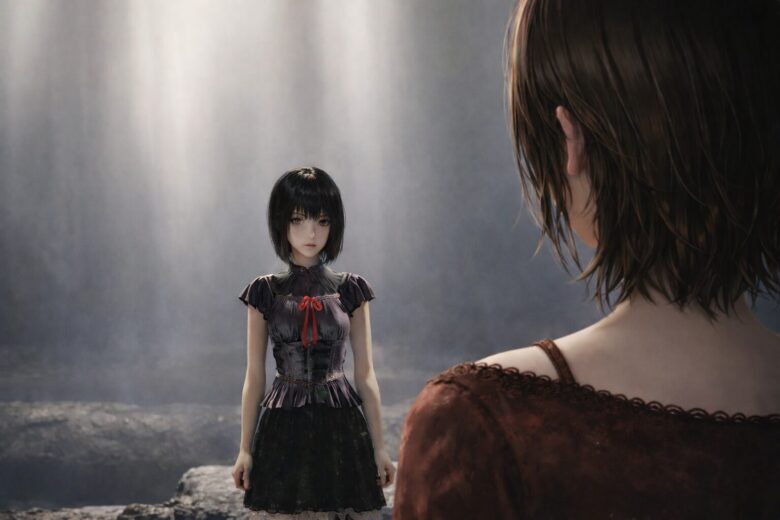
A village erased from the map.
Deep beneath it, Mio and Mayu finally reached the edge of the Utsuro.
It was a forbidden place that had to be sealed, even if that meant continuing to offer sacrifices.
It was a hole that must never be looked into.
A hole that must never be understood.
Mayu stood alone before the edge of the Utsuro.
But the figure before Mio was no longer only Mayu.
A woman in a white kimono—Sae—overlapped with her.
They wavered, blended, and resonated with one another, even as their forms trembled and fell apart.
“This time, you didn’t run away alone.”
“You should have run away alone.”
Two voices echoed from a single being.
Each time they spoke, the world itself seemed to creak and shudder.
Mio raised the Camera Obscura.
— If she pressed the shutter, she might be able to tear Sae away and bring Mayu back.
She did not know what would happen after that.
There was no guarantee that they would return safely.
Even so—
Mio pressed the shutter.
A flash burst open, and Sae disappeared.
At the edge of the Utsuro, Mayu stood as if her soul had slipped out of her body.
Before long, tears began to fall from her eyes.
Mayu looked at Mio.
Then, as if something inside her had finally broken open, she poured out the pain of that day—
the pain they had both avoided for so long.
“Why did you let go of my hand back then?”
That Mio had abandoned her.
That Mayu had fallen alone.
That the future in which she and Mio would be separated could no longer be changed.
Mayu turned all of it toward Mio.
At that moment, Mio understood.
The ominous feeling she had carried all this time had finally become reality.
For an instant, the ground shook.
Then Mayu gave herself over to despair and began to collapse into the Utsuro.
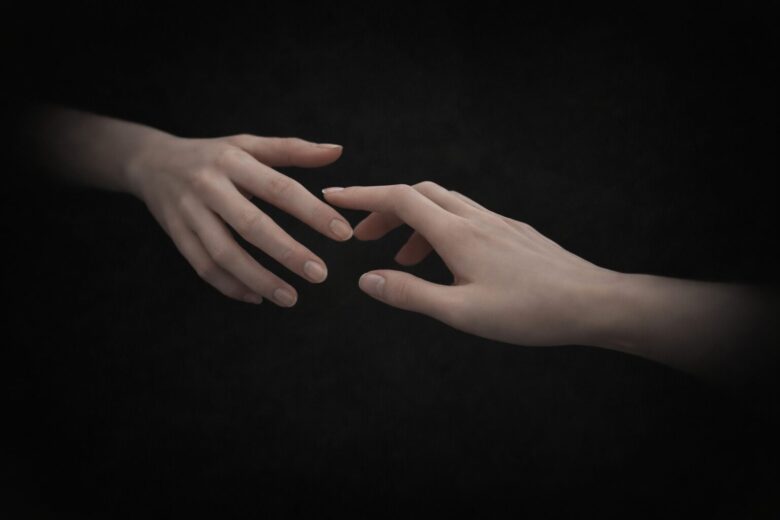
Mio threw away the Camera Obscura and grabbed Mayu’s hand.
If I let go now, only I could survive.
I could return to my peaceful life.
But if I did that—
I would leave Mayu alone again.
“I’ll never let you go again!”
To keep the promise she had once failed to keep, Mio did not release her hand.
Together, the two fell into the depths of the Utsuro.
Chapter 2: Deep Within the Darkness — The Memory of Letting Go Repeats
Wrapped in warm light, Mio opened her eyes at the Stream of Memories.
There, Mayu as a child was sleeping quietly.
It was a peaceful place.
Gentle, warm, and filled with comfort.
— We were one.
That was how the world felt.
But the peace did not last.
A cold, heavy wind blew through, and the smell of blood began to drift in.
Then Mio understood.
This was inside the Utsuro.
When she came back to herself, Mio was still holding Mayu’s hand as they continued falling into bottomless darkness.
Inside that darkness, Mio’s body slowly began to crumble.
It came apart like particles of light, as if her very existence were fading away.
Even so, she did not let go of Mayu’s hand.
— I can still keep our promise.
That was what Mio believed.
But Mayu’s hand was terribly cold.
It felt almost like the hand of someone already dead.
Mio’s vision twisted.
Sae, who should have disappeared, appeared again by using Mayu as her vessel.
“I’ve been waiting… all this time.”
Startled by the strangeness of it, Mio let go without thinking.
Mayu fell alone into the bottomless dark.
— I let go again.
Mio realized that the regret from that day was still connected to this very moment.
Inside the Utsuro, Mayu’s voice and Sae’s voice continued to overlap.
“Why did you let go of my hand?”
“I’m falling alone again.”
“Don’t let go of my hand.”
“I won’t… I’ll never let you go again…”
As Mio listened, the boundary between Mio and Yae, and between the present sin and the past sin, began to blur.
Even so, Mio kept reaching out.
“We promised each other, didn’t we? Together forever!”
Even as Mayu directed death, fear, and sorrow toward her, the only feeling left inside Mio was this:
I love you.
“Let’s go home together!”
As if answering Mio’s desperate hand, a pale arm appeared.
Whether it belonged to Mayu or Sae, Mio could not tell.
Even so, Mio grasped it.
But the hand was twisted in a way that did not seem human.
“Going home.”
“Returning.”
The moment those voices echoed, countless arms of the dead rose from the bottom of the Utsuro.
Mio’s body was seized.
Then she was dragged down into the darkness.
Chapter 3: Nostalgia for Death — The Kurosawa House Tragedy and the Place Mayu Truly Desired
Long ago, on the day many people lost their lives—
at the center of the village erased from the map, there was the deep sorrow of one half of a pair of twins.
Mio found herself standing in the Main Hall of Kurosawa House, the stage of the tragedy.
Bodies were piled all around her.
The air was filled with the smell of blood.
At the center of it all stood Sae.
“Everyone died.”
She murmured like a small child.
Broken, yet still beautiful, Sae had become someone who could no longer truly be saved.
Before Mio realized it, she was standing there as Yae.
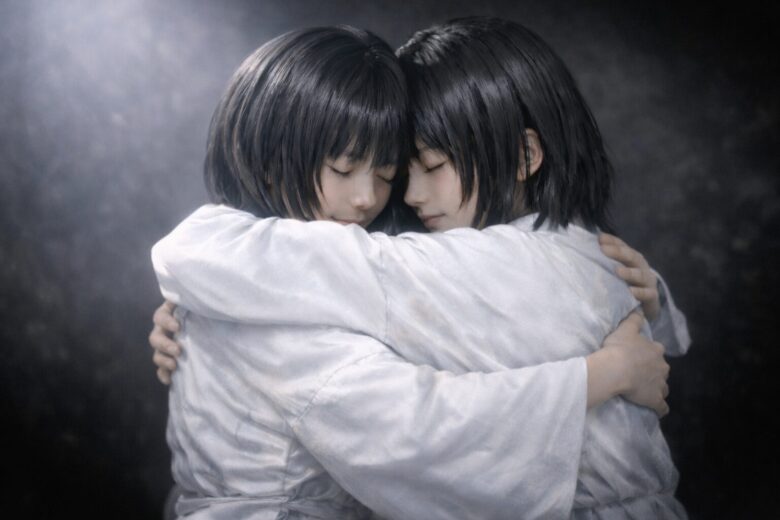
Yae slowly walked toward Sae and embraced her bloodstained body.
“I waited… and waited… I waited for so long…!”
“I’m sorry… I’m sorry…”
Sae cried that she had been unable to endure being alone, and had destroyed everything.
After being separated from Yae, she had carried that despair all this time.
Their white kimonos were stained with blood.
Together, the two girls looked almost like a crimson butterfly.
Mio’s vision shifted.
She was once again in the nostalgic forest.
It was a place of gentle, fulfilled memories.
But little by little, that world began to close.
Its warmth changed into a darkness that felt impossible to escape.
Then Mio understood.
This was not simply a place from memory.
It was a closed space like the womb before birth, where twins could remain one.
And there, Mio finally realized what Mayu had truly wanted.
Mayu had not wanted a future where the two of them would live together.
What Mayu wanted was to return to a place where they would no longer have to exist separately.
“We knew we would live separately… and die separately…”
In Mayu’s words, there was loneliness, pain, and also relief.
She had finally reached the place she had been seeking.
The world began to close.
The light disappeared.
The two of them were wrapped in darkness.
Mio could still have escaped.
If she had chosen to go alone, she might have chosen the path of life.
Even so, Mio abandoned that “rightness.”
With only one feeling left inside her, she held Mayu tightly.
“Let’s stay here forever. Together. Just the two of us.”
Mayu returned the embrace, laughing and crying at the same time.
With a broken kind of beauty, she repeated the words.
“Together forever. That’s our promise.”
The boundary between the two began to dissolve.
They became one again.
Wrapped in warmth, everything sank into the darkness.
— In that moment, the promise had truly been fulfilled.
At least, that was how it seemed.
Chapter 4: Black Flame Butterfly — The Butterflies Are Released, and Calamity Spreads Beyond the Village
The Utsuro was never meant to touch the human world.
It was a forbidden hole that had to be kept sealed and pacified through sacrifice.
But it resonated with feelings too powerful to contain:
Sae’s despair and Mayu’s nostalgia for death.
At last, the Utsuro changed into something that could no longer be controlled.
No human hand could stop it now.
The Utsuro poured out darkness and released a new calamity.
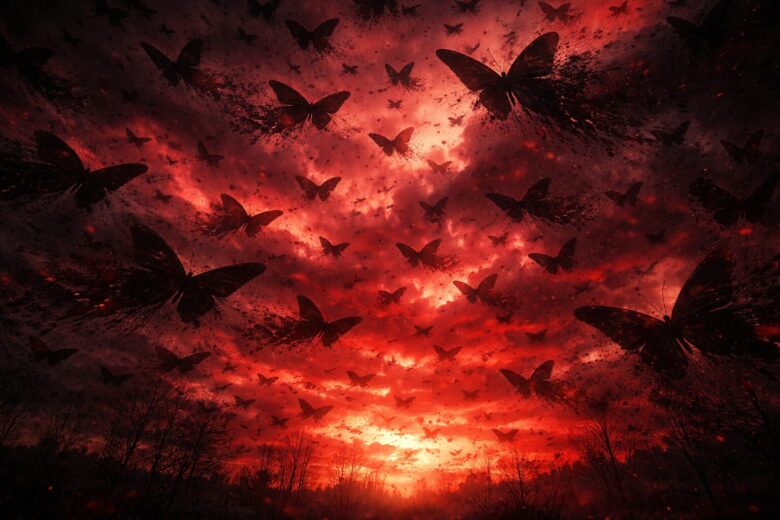
That calamity was the black butterflies.
Countless black butterflies spilled through the village.
They invaded the houses, the streets, the pond, and every corner of Minakami Village.
Even the souls that had been trapped there were swallowed into blackness.
No one was granted salvation.
No one was granted release.
Eventually, the black butterflies painted over the village boundary.
They spread into the forest.
Then, into the world of the living.
The sight was beautiful and terrifying.
But it was nothing like a blessing.
It was a curse that denied life itself and brought overwhelming death.
The blackness spread without end.
It broke everything.
It devoured everything.
And in the end, all that remained was silence—and one small whisper.
“Everyone died.”
Chapter 5: Descent into Zero — The Final Black Flame Butterfly Left After Everything Ends
There was only darkness.
Or so it seemed.
Even in that world, a faint light still remained.
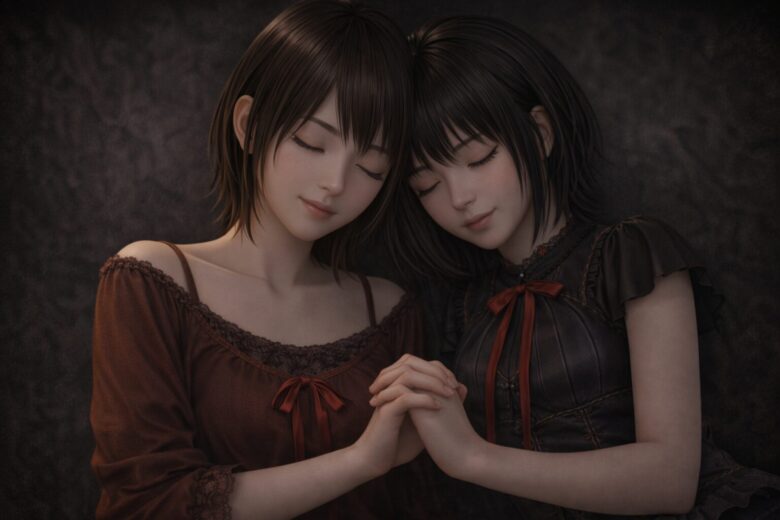
In the dim darkness, Mio and Mayu slept deeply, holding hands like unborn children.
Then, the moment the black butterflies spilled across the ground, something changed.
Mio woke up and tried to pull Mayu away from that place.
But white hands coiled around her neck.
The last light was extinguished.
The two of them fell into the darkness, still leaning against each other.
Not alone.
Together.
After everything had ended, and the world had returned to Zero—
Mayu slowly opened her eyes.
Mio was lying beside her.
But there was no sign of life left in her body.
A crimson butterfly flew silently from Mio’s neck.
On Mayu’s own neck, the mark proving that one half of the twins had been sacrificed had appeared:
a crimson mark.
The moment Mayu touched her neck, the mark turned black.
It remained there in the shape of a butterfly.
As if answering it, the crimson butterfly born from Mio also began to darken.
It became the final Black Flame Butterfly.
There was no anger in the way it drifted.
No hatred.
Ahead of it stretched only a silent world where everything had disappeared.
A place where being alone or being together no longer had meaning.
Dark and hollow.
And yet, somehow warm.
Whether someone laughed there, or whether someone cried—
there was no longer any way to know.
All that remained was darkness.
Analysis of the Novel Ending Black Flame Butterfly
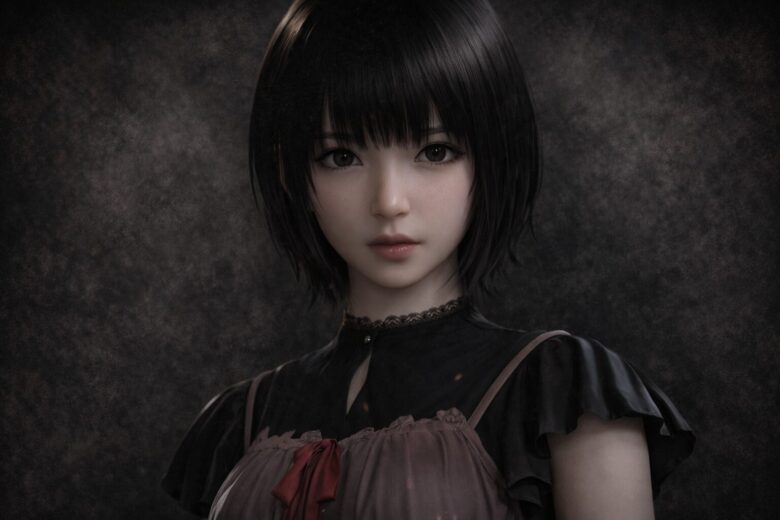
The most important point in this ending is that it clearly shows what Mayu truly wanted.
What Mayu Truly Wanted
Near the end, Mio finally realizes that Mayu’s wish did not mean, “I want to keep living together with you.”
What Mayu wanted was the rejection of the reality in which she and Mio would live separately, and eventually die separately.
Mayu had always feared the idea that Mio would have a life of her own, move in a different direction, and eventually become separate from her.
The warm, enclosed darkness shown in the story, the place before birth, and the space where twins could remain one can all be read as the place Mayu had been longing for.
— I do not want to live as a separate existence from Mio.
Mayu did not begin seeking a future where the two of them would live together.
Instead, she began seeking a past before the two of them had ever been divided.
For Mayu, who knew she would have to go on living alone while dragging her injured leg, reaching that place was the only salvation left.
As long as she remained with Mio in reality, the two of them would inevitably drift out of alignment.
If they were out of alignment, they could not be perfectly one.
And if they could not be perfectly one—
there was no choice but to step away from reality.
The Black Flame Butterfly ending depicts the furthest end of that wish.
- Mayu could no longer endure becoming a separate existence from Mio.
- Mayu wanted to return to the time when she and Mio had been one.
- Without realizing it, Mayu had been seeking a form in which the two would not continue living separately: becoming a crimson butterfly.
Mio’s Choice: Why She Abandoned What Was Right
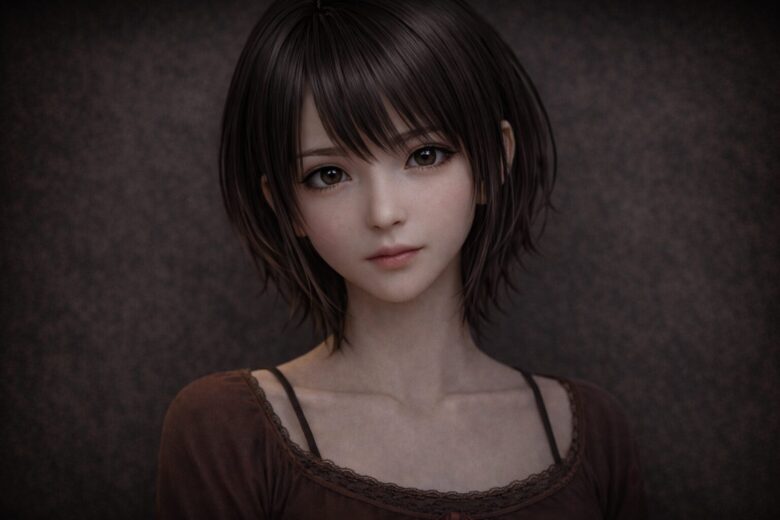
In the Black Flame Butterfly ending, what Mio reaches is not a complete understanding of Mayu, but an understanding of Mayu’s wish.
Mio had always tried to protect Mayu.
She supported her in reality, kept her away from danger, and tried to return her to a safe place.
All of these things were necessary for Mayu to live.
But inside the enclosed world, Mio realizes that the act of “protecting” Mayu can no longer reach the place where Mayu now exists.
When Mio understands that Mayu no longer intends to keep living together with her, one cruel fact remains.
Mio still has another choice.
She can leave Mayu behind and continue living.
Even after falling into the Utsuro, Mio is not completely cornered.
And yet, Mio abandons the universal human “right” choice: to live.
Mayu had finally reached the place where she could feel fulfilled by returning, together with Mio, to the time when they had been one.
Mio could not leave her there.
For Mio, this was the wish of the person she loved most—the wish she had finally come to understand.
No matter how destructive that wish was, staying with Mayu seemed to Mio like the only way to answer the promise and remain beside her feelings.
Of course, in reality, this is destruction.
It cannot be called salvation.
Even so, Mio does not choose reality.
She chooses to continue existing with Mayu.
- Mio still had the option to survive and return, but she gave it up of her own will.
- Even knowing that Mayu’s wish was destructive, Mio chose to stay beside her as the only form of love she could offer.
- Mio never fully understood Mayu to the very end, but in order not to leave her behind again, she even accepted being killed by Mayu.
The Black Butterfly: What the Black Flame Represents
In Fatal Frame II: Crimson Butterfly, butterflies already carry strong symbolic weight.
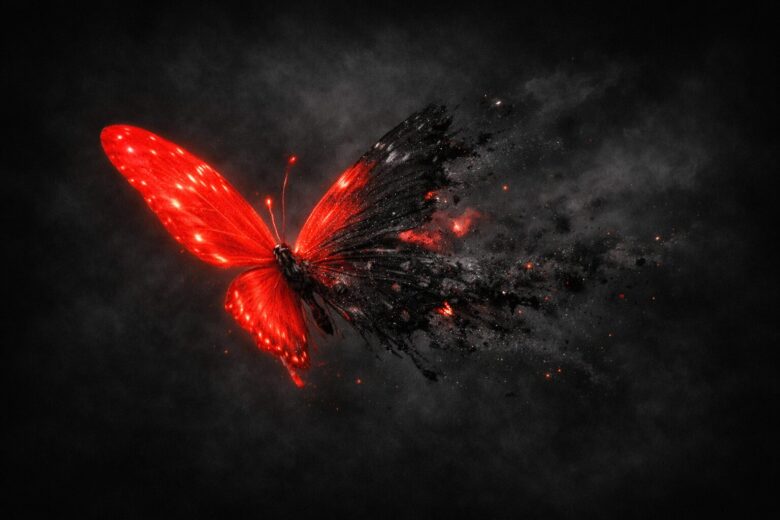
The black butterflies that appear in this ending are neither white nor crimson.
They are born from a wish that could no longer fit into either form.
What matters most is that the black butterflies do not represent only one person’s emotions.
In Synopsis ④, the black butterflies are released from the Utsuro after it resonates with Sae’s despair and Mayu’s nostalgia for death.
Here, “nostalgia for death” is not a simple desire to die. It is Mayu’s longing for a place before separation — a darkness where she and Mio would no longer have to exist as two separate beings.
In other words, the black butterflies are a calamity born when the overwhelming emotions of multiple people become linked to the forbidden force of the Utsuro.
That is why this ending is not called simply “Black Butterfly.”
It is called Black Flame Butterfly.
The way the black butterflies spread is uncontrollable, almost like fire.
They do not remain inside the village.
They invade the world beyond it.
The way the destruction spreads and expands is exactly what makes it a “black flame.”
The phrase Black Flame Butterfly describes the process in which crimson butterflies are stained black and become carriers of collapse.
The black butterflies save no one.
They devour even the souls that had been trapped, granting neither release nor forgiveness.
At first glance, they are beautiful.
They may even look like a blessing.
But what they truly represent is the complete denial of life.
The blackness left behind at the end is the color of an ending that covers everything, like soot after a fire has burned out.
The Black Flame Butterfly ending is the result of a closed wish to become one expanding beyond the two sisters and into the outside world.
A feeling that should have remained only between the twins overflows through the Utsuro and begins to consume everything.
In other words, the distorted wish for two people to become one expands into a world where everyone is swallowed into one.
But if everyone is swallowed into one, then no one remains separate.
And if no one remains separate, then no one is truly connected either.
Nothing in the world has meaning anymore.
The wish between the two sisters has spilled outward and become something that can no longer be taken back.
What Is the Utsuro?
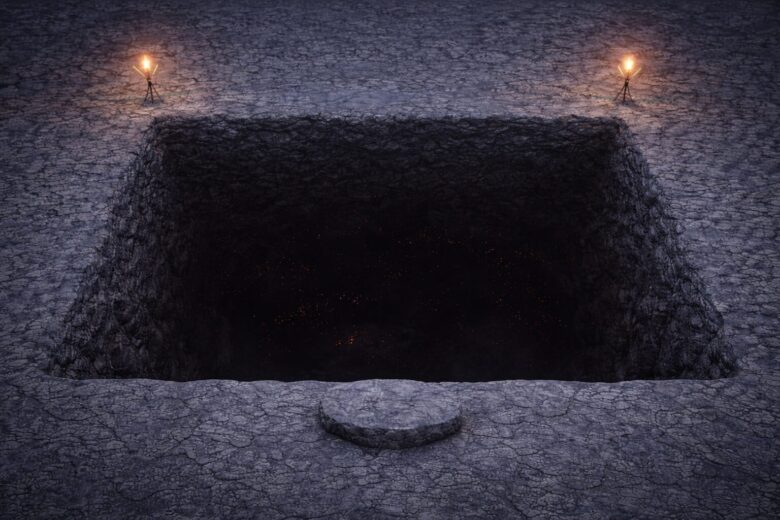
One question worth returning to here is this:
What exactly is the Utsuro?
The Utsuro is described as a forbidden hole that leads to the underworld.
It is a place that must not be looked into, must not be understood, and must be sealed even through sacrifice.
At first, it seems natural to read the Utsuro as a tear in the boundary between this world and the otherworld.
However, the true nature of the Utsuro is not limited to being a hole that leads to death.
Through the depiction in Black Flame Butterfly, the horror of the Utsuro becomes clearer.
It is a place that blurs every boundary and breaks down the very state of being separate.
The living and the dead.
The past and the present.
Self and other.
Mio and Yae.
Mayu and Sae.
Inside the Utsuro, these distinctions gradually dissolve and lose their shape.
Neither individuality nor reality can remain absolute there.
The Utsuro resonates with Sae’s despair and Mayu’s nostalgia for death, then amplifies those emotions even further.
In that sense, the Utsuro can be understood as a dangerous wish-granting vessel: one that amplifies the desire not to remain separate and realizes it in a destructive form.
The Utsuro is a place that strips even the idea of “becoming one” of its meaning, returning everything to Zero.
What the Japanese Title Zero Means When Seen Through the Utsuro
The title Zero can be read as the point where the distance between the twins becomes zero.
However, when viewed through the Black Flame Butterfly ending, its meaning does not stop there.
Inside the Utsuro, boundaries such as:
- the living and the dead
- the past and the present
- self and other
gradually become unstable.
The very state of being separate begins to waver.
What lies beyond that is a world where every boundary has been lost.
Nothingness.
Or perhaps, Zero.
In this sense, the title Zero can also be read as the world that spreads beyond the act of looking into the Utsuro.
Whose Words Are “Everyone Died”?
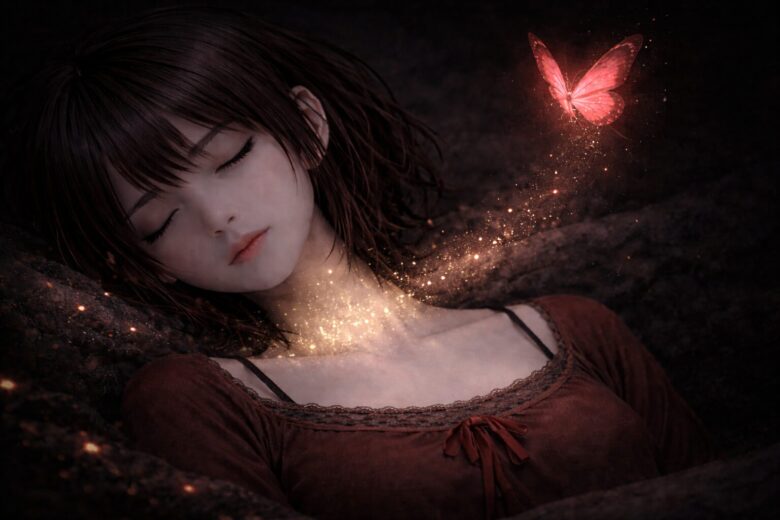
After the black butterflies consume the world and everything is painted over in black, a small whisper remains:
“Everyone died.”
At first, it is natural to read these as Sae’s words.
In the scene recalling the tragedy at Kurosawa House, Sae stands at the center of a mountain of corpses and says the same thing.
However, when looking at Black Flame Butterfly as a whole, it does not feel quite right to decide that this voice belongs to Sae alone.
Near the end, Mayu and Sae overlap, and even the boundary between the twins of the past and the twins of the present begins to blur.
The final “Everyone died” can be read as a voice in which Sae’s sorrow has seeped into Mayu and become layered over the end of the world itself.
In that sense, the line quietly and cruelly shows one thing:
the tragedy of the twins that once occurred in Minakami Village has repeated itself on a far larger scale.
The Promise of “Together Forever”: Was the Black Flame Butterfly Ending Happy?
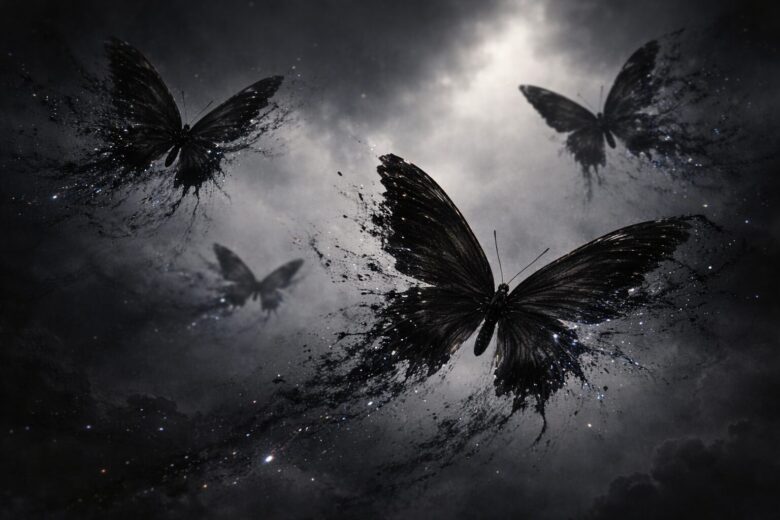
The most painful part of the Black Flame Butterfly ending is that the promise of “Together forever” truly is fulfilled.
At first, those words were innocent.
For Mio and Mayu, being together was something natural.
It was the ordinary closeness they had shared since childhood, without ever needing to doubt it.
But after that day, as their relationship began to change, the meaning of the promise slowly drifted apart.
For Mayu, the promise became a phrase used to confirm that their bond had not broken yet.
For Mio, it became a phrase she returned in order to keep the bond from breaking.
They were using the same words.
But inside each of them, those words no longer meant the same thing.
They could not continue living together in reality.
They could not support each other as separate individuals.
Instead, they lost their boundaries and melted into one inside the enclosed darkness.
Mayu wished, until the very end, not to be separate.
Mio did not accept everything in the same way Mayu did.
Even so, she chose not to leave her.
In fact, Mio lets go of Mayu’s hand once inside the Utsuro.
She was not able to receive everything Mayu carried in the same way.
Even then, Mio returns to Mayu and takes her hand again.
Because once she understood Mayu’s wish, she could no longer leave her behind.
What is fulfilled here is not a union born from mutual understanding.
It is a relationship that comes together while still misaligned.
This ending cannot be called salvation.
Once every boundary has been lost, there is nothing left afterward.
And yet, the meaning that brought each sister there was not the same until the very end.
That asymmetry is what leaves an unease that cannot be erased.
The Black Flame Butterfly ending is neither a happy fulfillment nor simple destruction.
It is an ending where the wish of “Together forever” locks into place while still misaligned.
The promise was fulfilled.
But it was not fulfilled as living together.
It was simply that, in order not to be separated, they lost everything.
Summary: Black Flame Butterfly as the Most Distorted Fulfillment of Their Wish
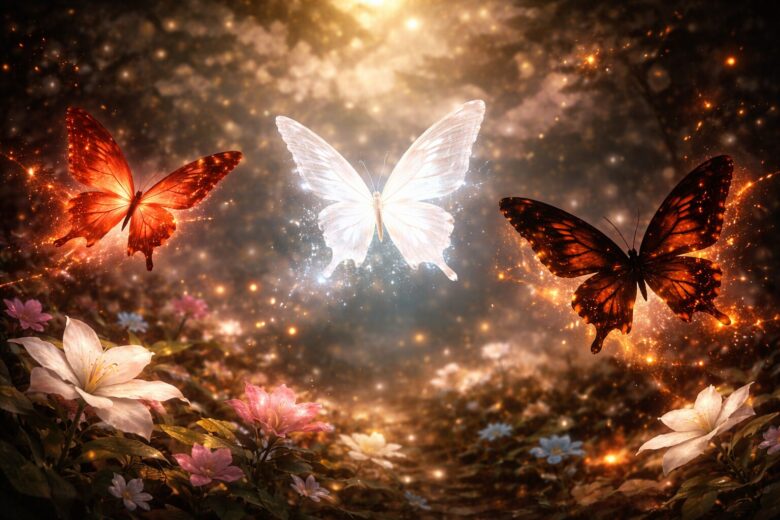
What the novel ending Black Flame Butterfly makes clear is that Mayu did not simply want to live together with Mio.
What she wanted was not to go on living as a separate existence from her.
Mio understands Mayu’s wish and chooses to remain with Mayu.
As a result, the promise is fulfilled not as a future where the two support each other in reality and move forward, but as a form in which they lose their boundaries and become one inside the enclosed darkness.
Black Flame Butterfly is not a happy ending.
But it also cannot be dismissed as simple destruction.
For a single moment, the wishes of both sisters are fulfilled.
This fulfillment does not come from the two of them completely understanding each other.
They remain misaligned.
And yet, the one thing they wanted most—not to be separated—is granted.
That twisted structure is what makes this ending so beautiful, and so terrifying.
What remains at the end is a world of Zero, where they lost everything so that they would not have to be apart.
In the next article, I will examine what Mio and Mayu were about to say in the opening scene of the main story.
I hope you will continue reading.
Fatal Frame II: Crimson Butterfly Analysis Hub
Fatal Frame II: Crimson Butterfly Analysis Series
Analysis Article #2: The Cliff Scene|Why Mio and Mayu See Different Worlds
Analysis Article #5: The Opening Scene|The Unfinished Words and Their Connection to the Endings
Analysis Article #6: Main Story Analysis|How Did Mio Change Throughout the Story?
Analysis Article #7: Crimson Butterfly Ending|Why Did Mio End Up Killing Mayu?
Analysis Article #8: Lonely Road Home / One Wing Endings|Explaining the Price Mio Had to Bear
Analysis Article #9: Frozen Butterfly Ending|Mayu’s Tearful Smile and the Head in the Hina Doll Room
Analysis Article #10: Shadow Festival Ending|Why Did Mio Say, “This Time, We Fall Together”?
Analysis Article #11: The Promise Ending|The Meaning of “I’ll Never Let You Go Again”
Analysis Article #14: Sprouting Wings + Remaining Sun Endings|What It Means for Mio and Mayu to Return Alive
*This article is part of the “Fatal Frame II: Crimson Butterfly Analysis” series.
*The images used in this article include unofficial AI-generated images inspired by the world of the game, as well as screenshots from FATAL FRAME II: Crimson Butterfly REMAKE and Project Zero 2: Wii Edition. All rights to Fatal Frame II: Crimson Butterfly belong to Koei Tecmo Games.
*This article refers to certain official materials that are currently difficult to obtain. Their contents are summarized only where necessary for understanding the story, while the article itself focuses mainly on analysis and interpretation.
コメント欄