This article is part of my Fatal Frame II: Crimson Butterfly Analysis series, focusing on Mio’s psychology in the Lonely Road Home Ending.
The ending treated as a game over in the main story is the Lonely Road Home Ending.
During the concept stage, there was also another planned ending called the One Wing Ending.
In Lonely Road Home, the price of Mio’s decision remains in her heart. In One Wing, it remains in her body.
In this article, I will organize the flow of the Lonely Road Home and One Wing Endings through their synopses, then analyze what these two conclusions were trying to show.
Please note that this article contains major spoilers for Fatal Frame II: Crimson Butterfly. If you want to review the main story first, I recommend starting with the Fatal Frame II: Crimson Butterfly main story overview before reading this analysis.
- The story of the Lonely Road Home Ending
- The story of the One Wing Ending
- Title Analysis: Why Is the Japanese Title “Mayoi-ga”?
- What Mio’s “I’m sorry…” means
- The meaning of passing through the Deep Path alone
- Whether Mayu truly disappeared
- What the One Wing Ending represents
- The meaning of the shared wound
- What Lonely Road Home and One Wing have in common
- Lonely Road Home / One Wing Endings | What Price Does Mio Pay?
- Lonely Road Home Ending | Synopsis
- One Wing Ending | Synopsis
- Title Analysis: Why Is the Japanese Title “Mayoi-ga”?
- What “I’m sorry… I can’t keep our promise.” Means
- The Meaning of Passing Through the Deep Path Alone
- Mayoi-ga as an Ending | Did Mayu Truly Disappear?
- One Wing Ending Analysis | What Does “One Wing” Mean?
- The “Same Wound” Shown by One Wing
- What Lonely Road Home and One Wing Have in Common | The One Who Leaves and the One Left Behind
- Summary: What Were the Lonely Road Home / One Wing Endings?
Lonely Road Home / One Wing Endings | What Price Does Mio Pay?
The Lonely Road Home Ending begins at the start of Final Chapter: Crimson Butterfly.
The One Wing Ending, on the other hand, begins in Chapter 8: The Waning Moon, when Mio opens the storehouse with the key.
Lonely Road Home Ending | Synopsis
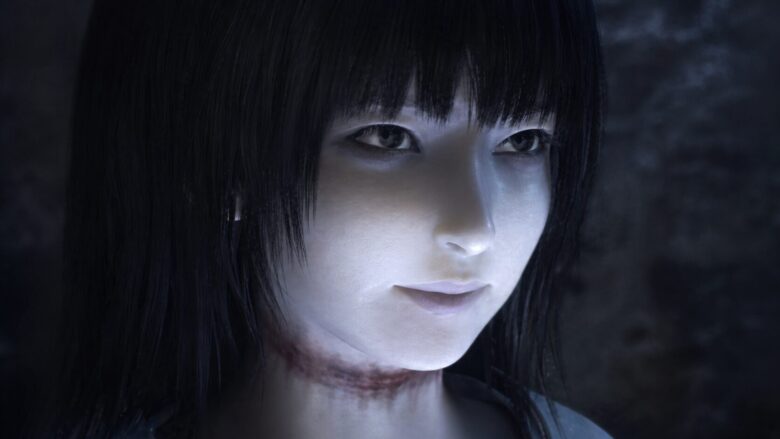
After Mayu is taken away, Mio reaches Kureha Shrine.
Behind the shrine altar, there is a door leading to the old Deep Path.
The moment she opens it—
the stagnant air rushes in all at once, and the pinwheels around her begin to spin.
— Maybe I can get out of the village now…
Mio still has not been able to save Mayu.
Even so, she decides to enter the Deep Path.
“I’m sorry…
I can’t keep our promise.”
Mio whispers those words, shakes off her hesitation, and begins descending the stairs beyond the door.
The path ahead is narrow, dark, and suffocatingly closed off.
Gasping for breath, Mio keeps running deeper and deeper.
“Are you leaving me again?”
A voice suddenly reaches her.
It sounds like Mayu.
And yet, there is something about it that does not feel like the voice of the living.
Before long, Mio begins to hear footsteps drawing closer.
Dragging footsteps.
Uneven footsteps.
Maybe Mayu is coming after me…
Mio starts to turn around.
“Don’t look back!”
It is Itsuki’s voice.
A desperate voice trying to stop her.
Mio freezes.
For one brief moment, she hesitates.
Then, what she hears next is unmistakably Mayu’s voice.
“Mio, you promised…
that we’d be together forever.”
Unable to bear those words, Mio turns around.
And beyond her gaze—
standing there is Sae.
Sae closes in on her.
The moment Mio thinks she is about to be caught, her consciousness cuts out.
Mio wakes at the Stream of Memories.
The summer sunlight falls over her, heavy and drowsy.
The darkness from moments ago, the village, and the presence of the festival are all gone.
“Mayu…?”
Mio searches for Mayu.
But Mayu is nowhere to be seen.
The warmth that should have been against her back has vanished, too.
While remembering that painful memory from childhood, Mio may have fallen asleep without realizing it.
And during that time, Mayu disappeared.
Did what happened in that village truly happen?
Or was it only a dream?
Mio can no longer confirm either way.
“Mayu…!
Mayu…!”
Mio calls Mayu’s name again and again.
But the only things that answer are the gentle sound of the stream and the wind passing through the forest.
Then, from somewhere far away, she hears Mayu’s voice.
“I’ll wait…
…forever…”
Since that day, Mayu’s whereabouts have remained unknown.
But Mio understands.
Mayu is still waiting in that place.
Waiting for the younger sister who failed to keep their promise.
Waiting for Mio, who should have come back to her once more.
Forever.
One Wing Ending | Synopsis
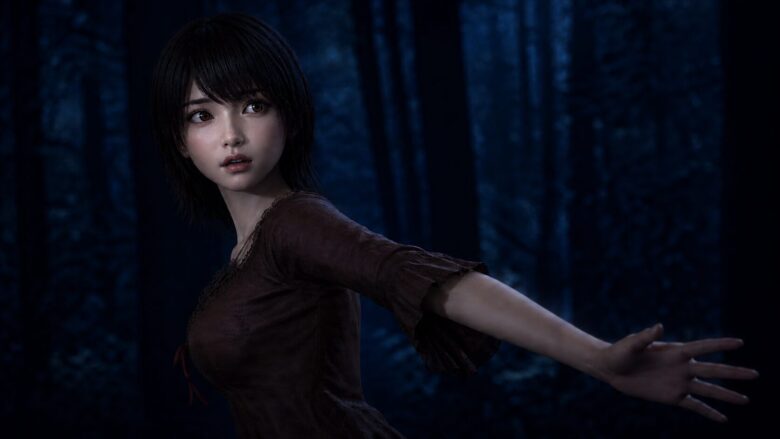
Mio and Mayu obtain the key to the storehouse.
They open the door that had been sealed shut.
Beyond it, they finally meet Itsuki.
Itsuki warns them that they must leave the village as quickly as possible.
Itsuki leads the two deeper into the forest.
At the end, he points out the escape route and tells them:
“You two go on by yourselves…
And don’t look back…”
Seen off by Itsuki, Mio and Mayu make up their minds and begin running into the forest.
But ahead of them, an ominous presence is already spreading.
The low sound of drums continues to echo.
Between the trees, countless torches flicker.
As if being driven forward, the two keep running straight ahead.
But Mayu’s legs have already reached their limit.
Each time she runs while enduring the pain in her right leg, the distance between her and Mio grows wider.
“Mio, my leg…”
At that voice, Mio turns around without thinking.
But the one standing there is not Mayu.
It is Sae, reaching out as if to seize her.
“Are you leaving me again?”
Mio catches her breath.
At the very moment she tries to break away from Sae—
Sae’s figure changes into Mayu.
“Are you leaving me again?”
Mayu’s figure trembles in pain.
Her outline shifts again and again, changing back and forth into Sae.
Mio can no longer understand what is happening.
It looks as though Sae is approaching, leading the villagers behind her.
At the same time, it also looks as though Mayu, cornered and desperate, is begging for help.
Mio has to run.
But she cannot possibly leave Mayu behind.
Caught between those two feelings, Mio freezes.
Then Mayu cries out to Mio through her tears.
“Run away without me…!
I’ll forgive you, Mio…!”
The moment Mio hears those words, she turns away.
It is not a step toward saving Mayu.
It is a step pushed forward by Mayu’s words—
a step away from Mayu.
Mio begins running with all her strength, as if tearing herself away from Mayu.
Voices behind her.
The feeling of something chasing her.
A shadow she can no longer tell whether it is Mayu or Sae.
Leaving all of it behind, Mio runs through the darkness of the forest.
It was supposed to be the path they would escape together.
A path where they had been told never to look back.
But before she knew it, that path had changed into an escape route for Mio alone.
And when Mayu’s figure was swallowed completely by the darkness—
Mio loses her footing and falls down the cliff.
Mio regains consciousness in the mountains, surrounded by the sound of cicadas.
The village at night is gone.
So are the festival sounds and the flickering torches.
Only the blinding summer sunlight pours down into the ravine.
Was I saved?
Or was I only sent back alone?
The moment she tries to lift herself up, a sharp pain shoots through her right leg.
Groaning, Mio somehow manages to stand.
In the sunlight, she looks down at her foot.
Blood is dripping.
The wound there is the same as Mayu’s.
Mayu, who vanished into the depths of the forest, is nowhere to be seen.
Her voice can no longer be heard.
And yet, the pain in Mio’s right leg remains.
That pain alone continues to tell her that Mayu is still here.
Title Analysis: Why Is the Japanese Title “Mayoi-ga”?
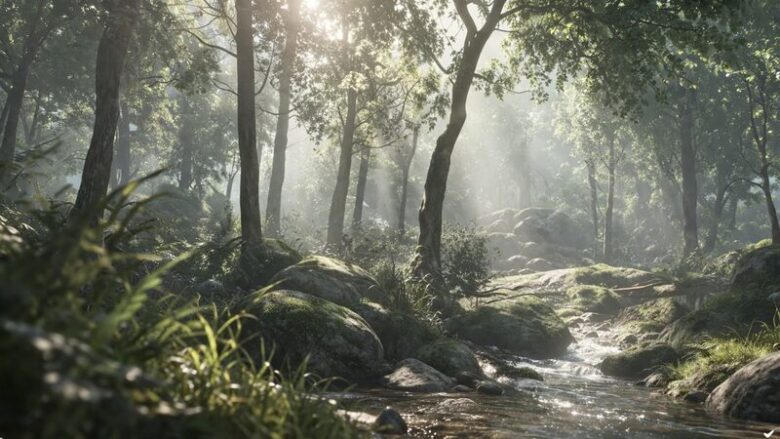
Before discussing this ending, it is important to note that while the official English name is the Lonely Road Home Ending, the original Japanese title is Mayoi-ga Ending.
When considering the Lonely Road Home Ending, the first thing to focus on is this title.
According to the director’s comment, this ending was named “Mayoi-ga” because it returns to the opening chapter, Mayoi-ga.
The word Mayoi-ga can be read literally as “a lost house,” or as a house one wanders into.
It suggests a place that confuses those who reach it—a place where it seems as though you have returned, and yet, in truth, you have not truly returned anywhere.
In the Lonely Road Home Ending, Mio appears to have escaped the village after passing through the Deep Path.
However, the place where she regains consciousness is the Stream of Memories, the place where the story began.
She should have escaped.
And yet, Mio is returned to the very beginning.
With no way to know whether she has truly returned to reality, she comes back to the place of the opening.
This ending is not a successful escape.
It is a conclusion in which Mio is sealed back inside the origin point of the story.
And returning to the stream does not mean that anything has been reset.
- Mayu has not been brought back.
- The promise has not been fulfilled.
All that remains is the sensation of having lost Mayu, and the certainty that Mayu is still waiting.
The cruelty of this ending lies in being sent back to the beginning without anything having been resolved.
A place that looks as though it is home, but where one has not truly returned anywhere—
that is Mayoi-ga.
Mio was able to leave the village.
But from the moment she failed to keep the promise, her heart never took a single step outside.
The title Mayoi-ga quietly confronts us with that truth.
The place Mio reached was not an exit.
It was a pain that continues even after escape.
What “I’m sorry… I can’t keep our promise.” Means
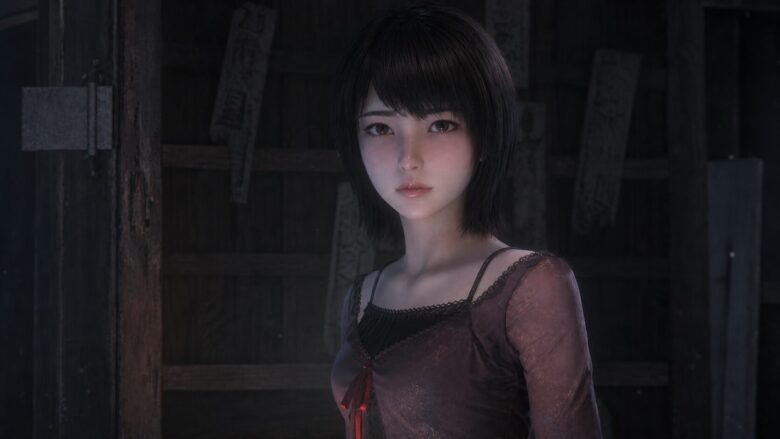
Even after the childhood accident, and even after wandering into Minakami Village, Mio’s attitude had not changed.
- I will save Mayu.
- I will bring Mayu home.
- I will keep our promise.
This is how Mio had continued to support her relationship with Mayu.
However, in the Lonely Road Home Ending, Mio herself breaks that premise.
“I’m sorry…
I can’t keep our promise.”
These are the words Mio speaks just before entering the Deep Path.
At this moment, Mio steps for the first time into a position where she can no longer protect Mayu.
Mayu has been taken away, and Mio still has not saved her.
Even so, she decides to leave the village.
Because Mio had always been bound to Mayu as the one who protects her, and bound by their promise, leaving Mayu behind becomes a sin for Mio.
The reason she says “I’m sorry” instead of “I’m leaving” or “I’m running away” is guilt.
This scene can be understood as the moment Mio herself admits the limit of her ability to keep the promise.
— The promise Mio could not keep will never forgive her.
Her whisper, “I’m sorry… I can’t keep our promise,” becomes the first word of the guilt she will continue to carry after leaving Mayu behind.
Perhaps Mio did not truly leave the village.
Instead, she may have stepped into a place where she must spend the rest of her life facing the self who broke the promise.
The Meaning of Passing Through the Deep Path Alone
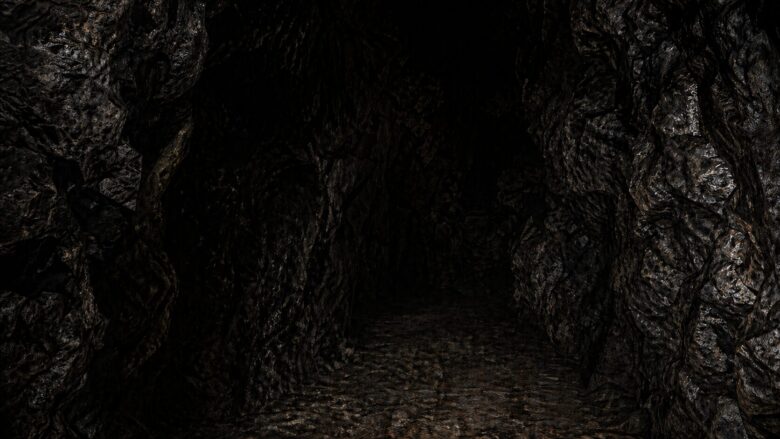
At the deepest point of the Deep Path that runs beneath Minakami Village lies the Utsuro.
The Utsuro is portrayed as a place where two beings are returned to one.
The Deep Path is the road through which twins, born as separate beings, return to the time when they were once one.
Whether they are to live, to die, or to become one—this path was meant, from the beginning, to be walked by two.
However, in the Lonely Road Home Ending, Mio runs through that path alone, in the opposite direction.
This is the greatest pain of this ending.
The moment Mio alone escapes, the Deep Path changes.
It is no longer a path that returns two people to one.
Instead, it becomes a path that cuts off the possibility of returning together, and confirms the separation between the two.
This choice is far too heavy.
To pass through the Deep Path alone means that Mio must carry the fact that she left Mayu behind and escaped by herself as a wound that will never disappear.

If we see the Utsuro as the deepest point of a womb-like return, and the Deep Path as the passage leading there, then Mio passing through the Deep Path alone in the opposite direction can also be read this way: Mio alone is born back into the world, leaving Mayu behind.
Mayoi-ga as an Ending | Did Mayu Truly Disappear?
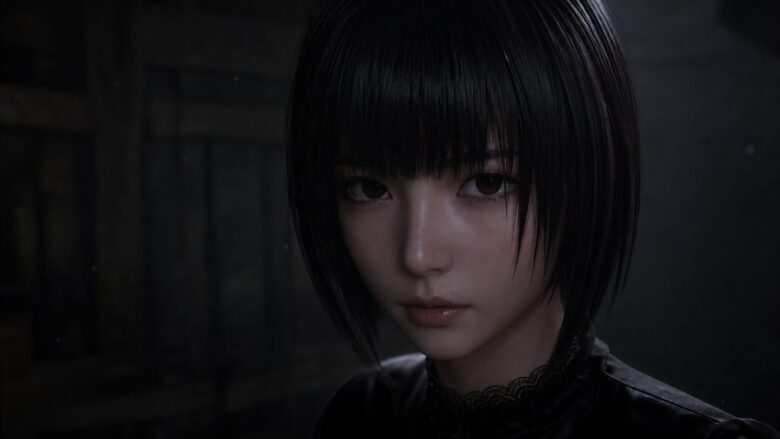
What makes the Lonely Road Home Ending so unsettling is not only that Mio loses Mayu.
Even more disturbing is the fact that Mayu’s fate is never confirmed.
When Mio wakes at the Stream of Memories, Mayu is no longer there.
The warmth that should have been against her back is gone, too.
There is no longer any way to know whether what happened in the village was a dream, or whether it truly happened.
The only thing that is certain is this:
Mayu is not here.
No matter how many times Mio calls out, there is no answer.
Instead, only Mayu’s voice reaches her from somewhere far away.
“I’ll wait…
…forever…”
Because of this voice, Mayu’s absence no longer feels like a simple loss.
For Mio, Mayu remains as someone who is still waiting somewhere, even now.
Here, I would like to consider what Mayu’s words may mean.
First, there are two possible ways to read the phrase “I’ll wait.”
- Mio was able to leave the village.
- Mayu was left behind in that place.
- Mayu continues to wait for Mio to return.
- Mio could not save Mayu.
- Mio could not keep their promise.
- Mio left the village alone.
- Even so, she cannot help believing that Mayu would keep waiting, trusting that Mio would come back.
Whichever reading we choose, what remains is only absence and voice.
In the Lonely Road Home Ending, Mayu’s death is never shown.
Her rescue is never shown.
Their reunion is never shown.
Did Mayu die, or is she still alive?
Is she trapped in the village, or does she exist only inside Mio’s guilt?
Unable to go back and confirm the truth, Mio is left only with the feeling that Mayu is still waiting.
Mio must continue living in ambiguity, forever as the one Mayu is waiting for.
The relationship between Mio and Mayu in the Lonely Road Home Ending also overlaps with the relationship between Yae and Sae.
- The one who leaves goes outside.
- The one left behind remains in that place and keeps waiting.
In that sense, Mio and Mayu can be read as having followed the same fate as Yae and Sae.
— Did Mayu truly disappear?
This question is never answered.
As a result, Mio can no longer close her relationship with Mayu as “something that is already over.”
Mayu may already be gone.
And yet, she may still be waiting somewhere even now.
Being left unable to decide between those two possibilities—
that is the true horror of Mayoi-ga as an ending.
One Wing Ending Analysis | What Does “One Wing” Mean?

The title One Wing Ending in Fatal Frame II: Crimson Butterfly is deeply meaningful.
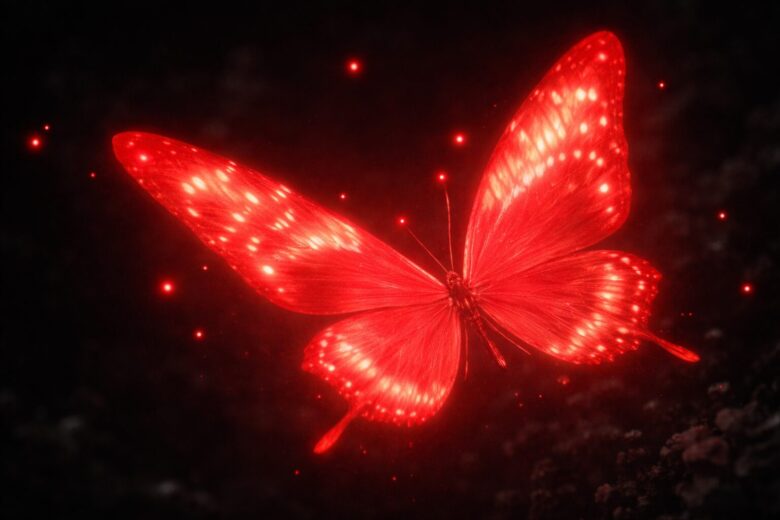
A butterfly cannot fly with only one wing.
Only when both wings are present can it rise into the sky.
Seen this way, One Wing can be understood as a relationship in which one half cannot go anywhere alone.
Mio ran away by herself.
She ran, leaving Mayu behind.
But what she gained at the end of that path was not freedom.
It was the same wound as Mayu’s.
— Even if one half tries to move forward alone, it cannot fly in the end.
In that sense, the One Wing Ending can also be seen as a variation of the Lonely Road Home Ending, because it shows that Mio and Mayu were a relationship that could only exist when they were together.
Lonely Road Home
- The price of leaving Mayu behind remains in Mio’s heart as guilt, together with the feeling that she is being waited for.
One Wing
- It goes one step beyond the price shown in Mayoi-ga.
- The feeling that “Mayu is here” returns directly to Mio’s body through pain.
Lonely Road Home remains in the heart.
One Wing remains in the body.
The one who left is ultimately forced to bear the pain of the one who was left behind as a wound on her own body.
One Wing gives visible form to that cruel price even more clearly than Lonely Road Home.
What remains is only this fact:
the same wound has been carved into Mio, and the one who matters most—Mayu—is not there.
The “Same Wound” Shown by One Wing
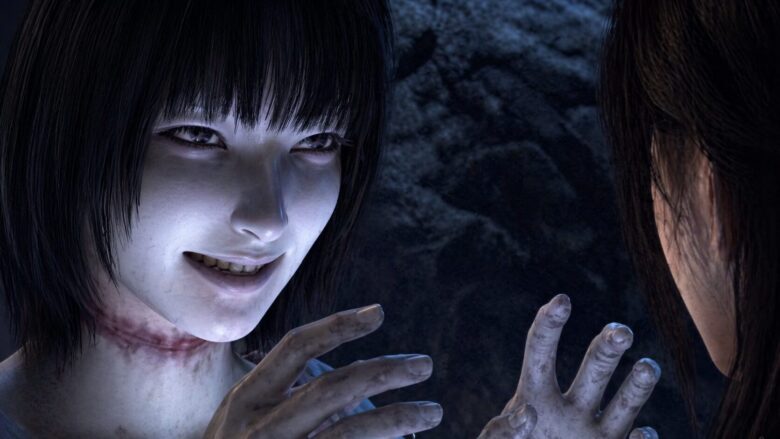
The most striking element of One Wing is the wound carved into Mio’s right leg at the end.
This wound was the same as Mayu’s leg wound.
The cliff accident from their childhood…
When Mio let go of Mayu’s hand, and Mayu alone fell and was injured, the relationship of the one who protects / the one being protected was born.
Until now, even while carrying regret and guilt, Mio had still remained in the position where Mayu was the one who fell and Mayu was the one who was wounded.
But in One Wing, that boundary collapses.
- Mio, too, falls down the cliff.
- Mio is wounded in the same place as Mayu.
Mio touches the pain of the one who was left behind with her whole body.
And here, for the first time, she steps outside the position of merely imagining Mayu’s pain.
That said, receiving the same wound does not mean everything is resolved.
- Mayu does not come back.
- Mio does not completely understand Mayu’s pain.
This wound becomes a mark that shows Mio has finally come closer to Mayu’s side, while at the same time forcing upon her the fact that she was too late.
What Lonely Road Home and One Wing Have in Common | The One Who Leaves and the One Left Behind
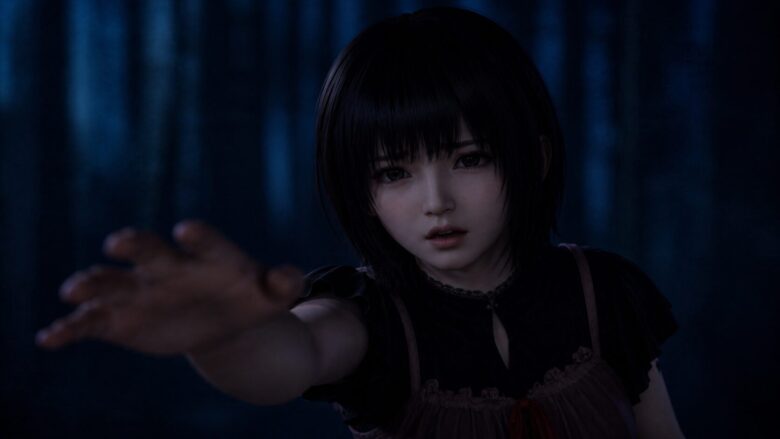
In both endings, Mio is unable to fully choose being together with Mayu.
And neither ending allows her to simply escape.
Although Lonely Road Home and One Wing are separate endings that interrupt the main route
In Lonely Road Home, Mayu, whom Mio had left behind, continues to remain in Mio’s heart as guilt.
In One Wing, Mayu, whom Mio had left behind, returns to Mio’s body as pain.
— The one who leaves cannot escape the one who was left behind.
No matter how far Mio tries to move forward, and no matter how far she tries to go outside, her other half remains absent—
and because she is absent, she remains even more strongly.
Mio left Mayu behind.
But from that very moment, she may no longer have been able to reach any place where Mayu was not.
Summary: What Were the Lonely Road Home / One Wing Endings?

Mio seems to have made it outside, but in the end, she is returned to the Stream of Memories.
She seems to have reached an exit, but instead, she is sealed back inside the origin point of the story.
The Lonely Road Home Ending shows that even after escaping, Mio cannot bring the story to a true close.
And the One Wing Ending takes that inability to find closure and transforms it into an even crueler form.
In the heart.
In the body.
The form may be different, but the price that returns to Mio is the same.
She can no longer escape the self who broke the promise.
The two endings are very quiet.
And yet, within that silence, one voice never disappears.
“Are you leaving me again?”
If Lonely Road Home and One Wing are endings where Mio can no longer bring things to an end after moving forward without Mayu, then Frozen Butterfly is an ending where Mio touches Mayu’s wish, but cannot fully accept it.
Next time, I will examine what the Frozen Butterfly Ending reveals—the collapse that lies beyond two feelings that failed to meet.
Thank you for reading, and I hope you will stay with me for the next article.
Fatal Frame II: Crimson Butterfly Analysis Hub
Fatal Frame II: Crimson Butterfly Analysis Series
Analysis Article #2: The Cliff Scene|Why Mio and Mayu See Different Worlds
Analysis Article #5: The Opening Scene|The Unfinished Words and Their Connection to the Endings
Analysis Article #6: Main Story Analysis|How Did Mio Change Throughout the Story?
Analysis Article #7: Crimson Butterfly Ending|Why Did Mio End Up Killing Mayu?
Analysis Article #8: Lonely Road Home / One Wing Endings|Explaining the Price Mio Had to Bear
Analysis Article #9: Frozen Butterfly Ending|Mayu’s Tearful Smile and the Head in the Hina Doll Room
Analysis Article #10: Shadow Festival Ending|Why Did Mio Say, “This Time, We Fall Together”?
Analysis Article #11: The Promise Ending|The Meaning of “I’ll Never Let You Go Again”
Analysis Article #14: Sprouting Wings + Remaining Sun Endings|What It Means for Mio and Mayu to Return Alive
*This article is part of the “Fatal Frame II: Crimson Butterfly Analysis” series.
*The images used in this article include unofficial AI-generated images inspired by the world of the game, as well as screenshots from FATAL FRAME II: Crimson Butterfly REMAKE and Project Zero 2: Wii Edition. All rights to Fatal Frame II: Crimson Butterfly belong to Koei Tecmo Games.
*This article refers to certain official materials that are currently difficult to obtain. Their contents are summarized only where necessary for understanding the story, while the article itself focuses mainly on analysis and interpretation.
コメント欄