This article is part of my Fatal Frame II: Crimson Butterfly Analysis series, focusing on Mio and Mayu’s psychology in the Shadow Festival Ending.
The Shadow Festival Ending in Project Zero 2: Wii Edition, the Wii version of Fatal Frame II: Crimson Butterfly, is a conclusion in which the Crimson Sacrifice Ritual can no longer be completed in time, and the Repentance begins to erupt from the Utsuro.
In this ending, Mio confesses, for the first time, her own strong attachment to and dependence on Mayu.
In this article, I will organize the flow of the Shadow Festival Ending, then examine why Mio chose to fall together with Mayu, what the childhood Shadow Festival vision means, and what this ending truly represents.
Please note that this article contains major spoilers for Fatal Frame II: Crimson Butterfly. If you want to review the main story first, I recommend starting with the Fatal Frame II: Crimson Butterfly main story overview before reading this analysis.
- The story of the Shadow Festival Ending
- The contrast between the Shadow Festival Ending and the Frozen Butterfly Ending
- The contrast between the Shadow Festival Ending and the Lonely Road Home / One Wing endings
- Mio’s confession: what “How could I stand being alone?” means
- What Wound Does “This Time, We Fall Together” Touch in Mayu?
- What the Shadow Festival vision means
- Whether the Shadow Festival Ending is a bad ending or a happy ending
- Shadow Festival Ending | Synopsis
- Shadow Festival Ending Analysis
- Reading Shadow Festival Through Frozen Butterfly | Shadow Festival as Frozen Butterfly’s Counterpart
- Reading Shadow Festival Through Lonely Road Home / One Wing | What “So This Time, You Couldn’t Escape Alone” Means
- Mio’s Confession | What “How Could I Stand Being Alone?” Means
- What Wound Does “This Time, We Fall Together” Touch in Mayu?
- What Was the Childhood Shadow Festival Vision?
- Is the Shadow Festival Ending a Bad Ending or a Happy Ending?
- Summary: What Was the Shadow Festival Ending?
Shadow Festival Ending | Synopsis
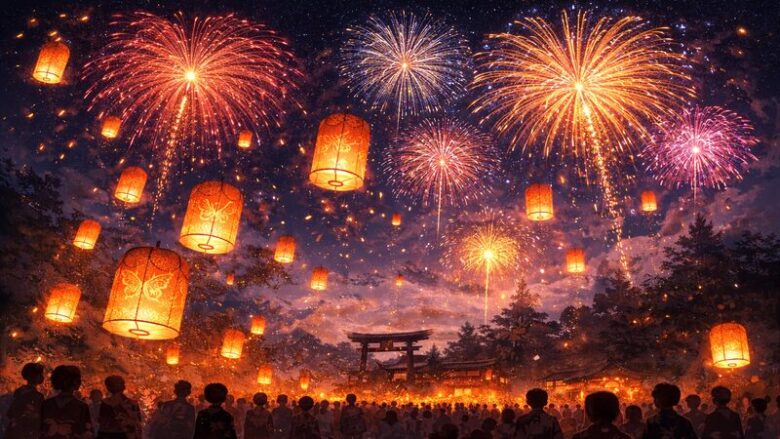
— The Deep Path leading to the Utsuro.
Mio hurries toward Mayu, gasping for breath.
The Repentance is already imminent.
The Utsuro trembles ominously, beginning to rumble as if announcing the collapse of the village.
Terrified by the strange phenomenon, the priests flee.
Mio pushes through the crowd and searches only for Mayu.
Mayu does not run.
She does not ask for help.
She sits before the Utsuro as if waiting for the final moment.
The sight of Mio making her way toward Mayu begins to overlap with Yae, who once tried to return to Sae.
Yae finally came back.
But Sae had waited for so long that her heart had already sunk to a place where salvation could no longer reach.
Mayu, overlapping with Sae, tells Mio:
“So this time, you couldn’t escape alone.
But it is already too late.
The Abyss has awoken.
The time of the Repentance is here…”
Those words carry the pain of the one who had kept waiting.
— Again and again, Mayu relives the moment she fell alone as a child.
The despair of being left behind.
The wound left by being abandoned.
That memory pushes Mayu’s heart farther and farther away from Mio.
Mayu does not even try to look at her.
Then she says coldly:
“If you had only fled from here, you at least would have been saved.”
With the last of her strength, Mio collapses beside Mayu.
“But…
How could I live with myself?
How could I stand being alone, with all that pain and sadness?”
Mio stays close to Mayu.
She no longer has the strength to stand.
She no longer has the strength to run.
But she chooses, by her own will, to remain at Mayu’s side.
“I am here with you, Mayu.
Even if it’s just for this short time.
This is the end…
And I want us to be together.”
These words are not meant to save them.
They are not meant to bring Mayu home.
They are the only answer Mio has left:
at least in the moment everything ends, she will not leave Mayu alone again.
Before long, darkness begins to overflow from the Utsuro.
— A torrent of darkness, trying to swallow everything.
“This time, we fall together.”
Mio says it quietly.
At that moment, the two of them see a single vision.
The Shadow Festival they visited at Kureha Shrine when they were children.
In the crowd, young Mayu once lost sight of Mio and realized that, in truth, she was alone.
But the vision they see now is different.
Their hands are firmly joined.
Even in the festival crowd, the two are not separated.
They walk side by side beneath the lights of the stalls.
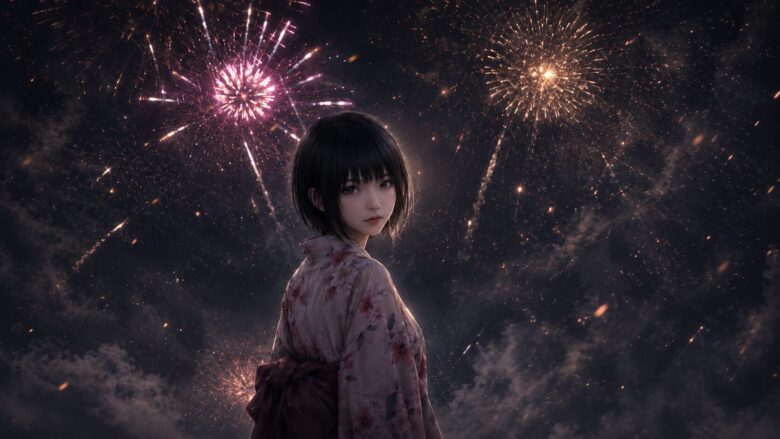
Fireworks burst into the sky.
And butterfly lanterns are released into the night all at once.
“It’s beautiful!”
The two feel it at the same time.
The heat of the festival rises toward its peak along with the cheers.
(If only this day could last forever…)
— The vision fades.
In reality, Mio has already lost all her strength.
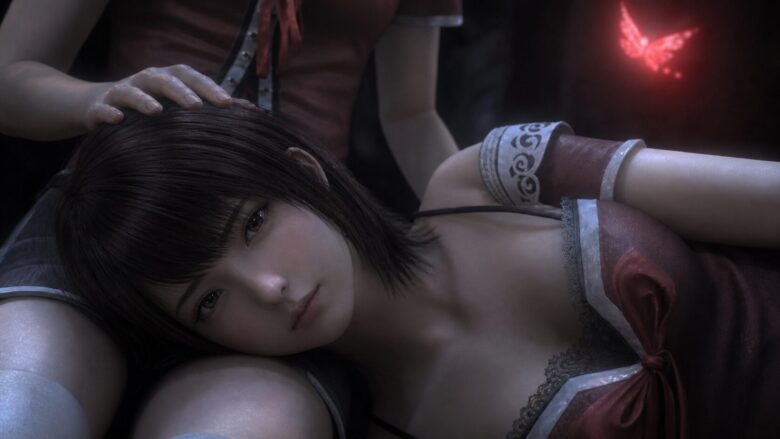
Mayu holds her, as if protecting her.
Mio.
Mayu.
And the promise between them.
Everything melts into the darkness.
The darkness bursting out of the Utsuro swallows Minakami Village, crosses the barrier, spreads into the forest, and even covers the Stream of Memories.
In the darkness where nothing can be seen—
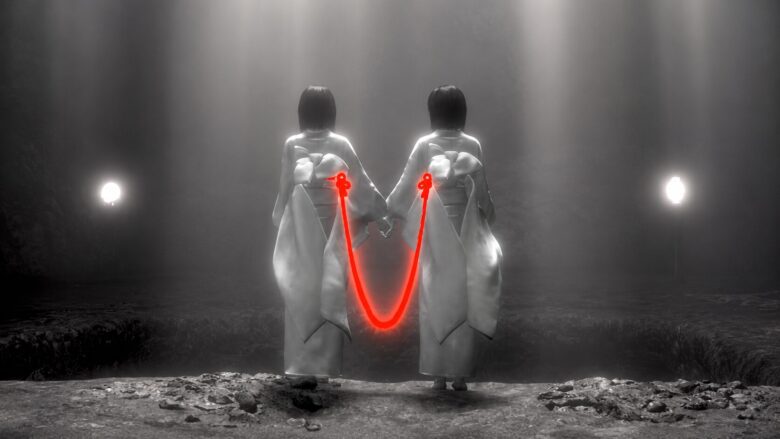
Mio and Mayu sit close together, still holding each other’s hands tightly.
They will not separate.
They will not leave each other behind.
This time, they fall together.
At the moment everything ends, the two of them finally reach the same place.
Shadow Festival Ending Analysis
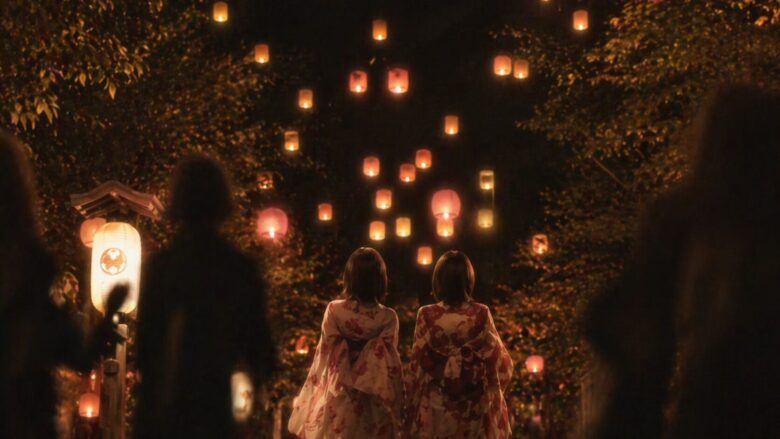
The title Shadow Festival refers to a festival held at a branch of Kureha Shrine.
Mio and Mayu had visited the Shadow Festival many times in childhood.
In this ending, the two are able to retrace a happy memory from the time when they still felt as though they were one.
Was this ending a bad ending, or a happy ending?
From here, I will examine this through analysis.
Reading Shadow Festival Through Frozen Butterfly | Shadow Festival as Frozen Butterfly’s Counterpart
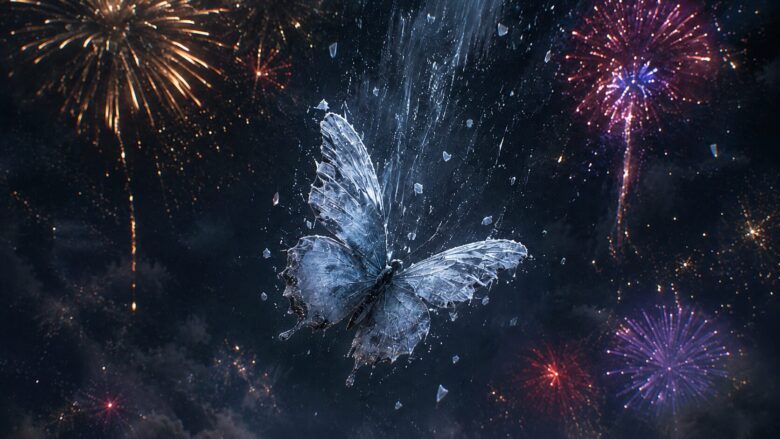
When thinking about the Shadow Festival Ending, the first thing to keep in mind is its contrast with the Frozen Butterfly Ending.
In the Frozen Butterfly Ending, Mayu’s longing swallows Mio.
Mio does not want to hurt Mayu, and cannot bring herself to take her life.
To Mayu, this feels like rejection.
As a result, Mayu drags Mio to her own side and creates a closed world for the two of them alone.
The Shadow Festival Ending, however, is slightly different.
Mayu does not drag Mio in by force.
Mio reaches Mayu’s side by her own will.
- She can no longer save Mayu.
- She can no longer bring Mayu home.
- She can no longer complete the ritual in time.
Even so, Mio chooses to stay beside Mayu.
This is the major difference between the two endings.
- In Frozen Butterfly, Mayu forcibly confines Mio.
- In Shadow Festival, Mio chooses to shut herself in with Mayu.
If Frozen Butterfly is close to a forced shared death, then Shadow Festival is closer to a shared death chosen together.
In that sense, the two endings form a pair.
Mio is not swallowed by Mayu.
She descends, by her own will, to the place where Mayu’s pain exists.
The Mio who once left Mayu behind is now beside her.
The Mayu who was once left behind no longer has to fall alone.
What exists there is not bright salvation.
Nor is it a future where they return alive.
But it is different from the possession seen in Frozen Butterfly.
In Shadow Festival, Mio and Mayu try to accept each other’s loneliness, if only at the very last moment.
They fall into the same place at the end.
Shadow Festival is dark, quiet, and yet perhaps just a little warm.
Reading Shadow Festival Through Lonely Road Home / One Wing | What “So This Time, You Couldn’t Escape Alone” Means
Mayu repeats the memory of falling from the cliff.
- She cannot catch up with Mio.
- She is left behind.
- In the end, she alone falls from the cliff.
For Mayu, this event was the moment when the future of separating from Mio became certain.
We will not be able to stay together forever.
— This pain and despair also overlap with Sae.
- Sae was left behind by Yae while they were escaping the village.
- Sae fell from the cliff, was taken back to the village, and was forced to perform the ritual.
- Yae, whom Sae had waited for all that time, never came for her until the very last moment.
When Mio reaches the edge of the Utsuro, Mayu tells her:
“So this time, you couldn’t escape alone.”
Those words are filled with emotions that have nowhere to go—
emotions directed at both Mio and Yae.
It is a bitter line that Mayu cannot help directing at Mio.
And strangely, it also becomes a line that blames “the Mio who left Mayu behind,” a pattern repeated in Lonely Road Home and One Wing.
In Lonely Road Home and One Wing, Mio takes the position of the one who leaves Mayu behind.
- In Lonely Road Home, Mio enters the Deep Path without being able to save Mayu.
- In One Wing, Mio shakes off Mayu’s voice and begins to run.
The form is different, but both are endings where Mio leaves Mayu behind and moves forward alone.
But in Shadow Festival, Mio does not leave Mayu behind.
- The Repentance is closing in.
- The Utsuro is crying out.
- There is almost no hope left of being saved.
Even so, Mio does not leave Mayu alone.
And yet, Mayu cannot accept it right away.
- This time, Mio did not run.
- This time, Mio did not leave her behind.
- This time, Mio came all the way here.
But Mio was far too late.
Mayu is already at the edge of the Utsuro.
Overlapping with Sae, she has repeated the memory of falling alone again and again.
Her heart is no longer in a state where she can look straight at Mio.
That is why she continues:
“If you had only fled from here, you at least would have been saved.”
It sounds like a rejection.
But it was also a way of testing whether Mio would truly stay by her side until the very end.
In Lonely Road Home and One Wing, Mio runs away.
So what will Mio do in Shadow Festival?
Will she stay this time?
Will she leave Mayu behind again?
Or will she fall together with her?
Mayu is asking Mio for an answer until the very last moment.
And Mio answers:
“But…
How could I live with myself?
How could I stand being alone, with all that pain and sadness?”“I am here with you, Mayu.”
Mayu was not the only one afraid of being left behind.
Mio, too, could not bear the pain of being left alone.
Mio does not run.
She sits down beside Mayu.
“So this time, you couldn’t escape alone.”
This line was Mayu’s final test.
Because of that line,
“I am here with you, Mayu.”
becomes heavier.
Because of that line,
“This time, we fall together.”
becomes an answer to the pain of the past.
Mayu’s words pull Mio’s true feelings out into the open.
Mio’s Confession | What “How Could I Stand Being Alone?” Means
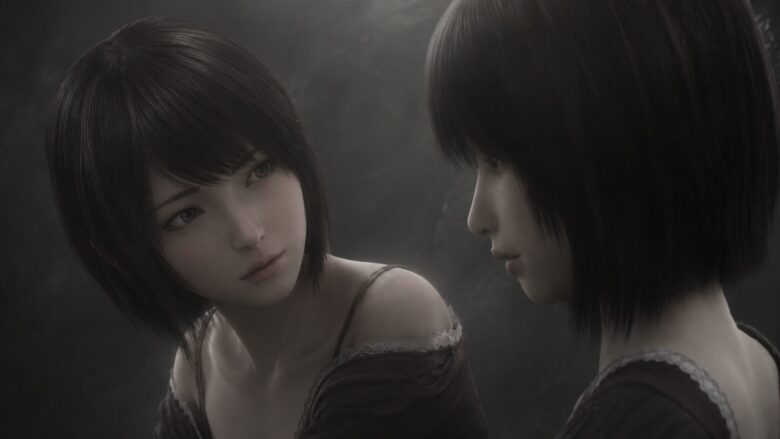
Mio reaches Mayu at the edge of the Utsuro.
But by that point, almost none of her strength remains.
- She cannot escape with Mayu.
- She cannot perform the ritual.
- She cannot stop the Repentance.
Even so, Mio uses the last of her strength to reach Mayu and collapses beside her.
And then, she says:
“But…
How could I live with myself?
How could I stand being alone, with all that pain and sadness?”“I am here with you, Mayu.”
What matters here is that Mio exposes her own weakness to Mayu for the first time.
- worrying about Mayu’s injured leg
- continuing to search for her in a dangerous village
- trying somehow to bring her home
Until this moment, Mio had always been the one who led Mayu and protected her.
But here, for the first time, she steps down from the role of protector.
— All I wanted was to stay beside Mayu.
What becomes clear here is that Mayu was not the only one who needed her other half.
- Mio, too, did not want to be left alone in a world without Mayu.
- Mio, too, wanted to stay beside Mayu until the very end.
Mio sits beside Mayu not as “the younger sister who guides her,” and not as “the one who saves her,” but as one person who needs the other just as much.
In this scene, Mio is no longer strong.
If anything, she is terribly weak.
But because she offers that weakness without hiding it, Mio in the Shadow Festival Ending feels painfully sincere.
“How could I stand being alone…”
This line is Mio’s confession.
And behind it lies the feeling she is finally able to put into words:
— I am not strong enough to live in a world without Mayu.
What Wound Does “This Time, We Fall Together” Touch in Mayu?
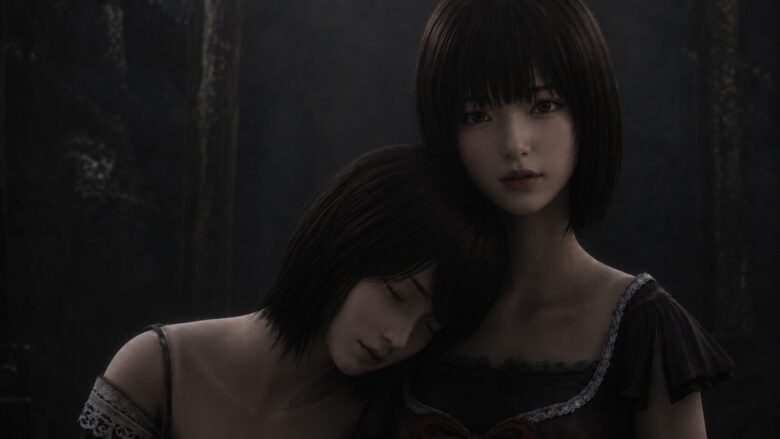
At the final moment, Mio says to Mayu:
“This time, we fall together.”
- Back then, she let go of Mayu’s hand.
- Back then, she left Mayu behind.
- Back then, Mayu fell alone.
But this time is different.
This time, Mio will stay with Mayu until the end.
That is the only answer Mio has left.
The childhood accident…
The fear Mayu has carried ever since…
None of it can be undone.
And yet, at the final moment, the thing Mayu feared most begins to come undone.
— This time, I do not have to fall alone.
Mio touches the wound that had remained lodged in their relationship:
the wound of only one of them falling.
“Back then…
I could have fallen together with you.If falling alone hurt you that much…
If living separately was that frightening…
If being the only one left behind was that painful…then I could have fallen with you back then, Mayu…”
It is a choice that gives up on survival.
It is far too late, and far too dark an answer.
Even so, for Mayu, it may have been the words she needed.
Mio came without running away.
She told Mayu, in her own words, that she understood the pain of being left behind.
And at the end, she told Mayu they would fall together.
In that moment, Mayu is no longer “the child who falls alone.”
“This time, we fall together.”
This line is not a bright salvation.
But it is Mio’s own form of atonement for Mayu’s deepest wound.
What Was the Childhood Shadow Festival Vision?
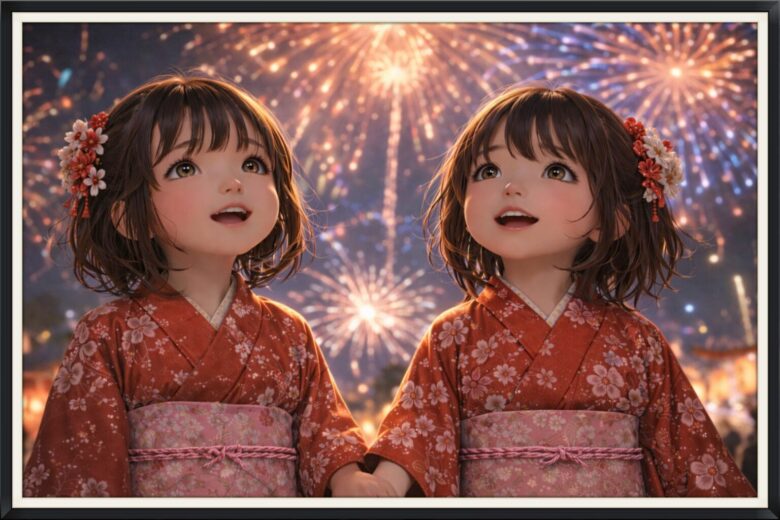
After Mio says, “This time, we fall together,” the two of them see a vision.
It is likely the Shadow Festival they visited at Kureha Shrine when they were children.
The Shadow Festival is a public festival connected to Minakami Village’s hidden rites.
It is also a festival where lanterns shaped like crimson butterflies are released into the night sky.
In the crowd of the festival, young Mayu loses sight of Mio.
At that moment, Mayu realizes:
— Mio and I are separate beings.
No matter how much time they spend together, they may one day be separated.
They can never become completely the same.
For Mayu, the memory of the Shadow Festival was the place where she first learned what it meant to be alone.
However, the vision shown in the Shadow Festival Ending is different.
The two are holding hands firmly as they walk together beneath the lights of the stalls.
This time, they do not become separated.
Mayu walks through the festival where she once realized she was alone, as if confirming that she is not alone now.
Of course, time has not truly been rewound.
The fear from that day has not simply disappeared.
In reality, the two of them are already being swallowed by the Utsuro.
Even so, their joined hands never separate.
Long ago, Mayu saw Mio disappear in the crowd.
But now, at the same festival, Mio is beside her.
The place where Mayu once learned that she was alone becomes, at the final moment, a place where they can remain together.
Until now, Mayu had been afraid that she and Mio were separate beings.
Because they were separate, they could never become perfectly the same.
Even if they saw the same thing, they might not feel the same way.
And one day, they might be separated.
But when they look up at the butterfly lanterns released into the sky, the same feeling arises in both of them at once.
“It’s beautiful!”
In this vision, the two are able to look at the same scenery and feel that it is beautiful.
They have not become one single being.
Even so, in the same moment, they are able to cherish the same thing.
Here lies the quiet sadness of the Shadow Festival vision.
The festival where they once became separated becomes a festival where they hold hands.
The memory of learning what it means to be alone becomes a memory of confirming that they are together.
The pain of being separate becomes a single moment in which, even as separate beings, they can still overlap.
The Shadow Festival vision did not erase the wound of the past.
It was only a small, gentle dream that gave that wound a different meaning at the very end.
Reality has already fallen apart.
The Repentance cannot be stopped.
The two of them cannot return alive.
Even so, what they saw at the very end was neither fear nor hatred.
It was the sight of a festival where they were holding hands.
The Shadow Festival vision was a dream in which the place where Mayu first learned she was “alone” became, at the very end, the place where she could confirm that they were “together.”
Is the Shadow Festival Ending a Bad Ending or a Happy Ending?
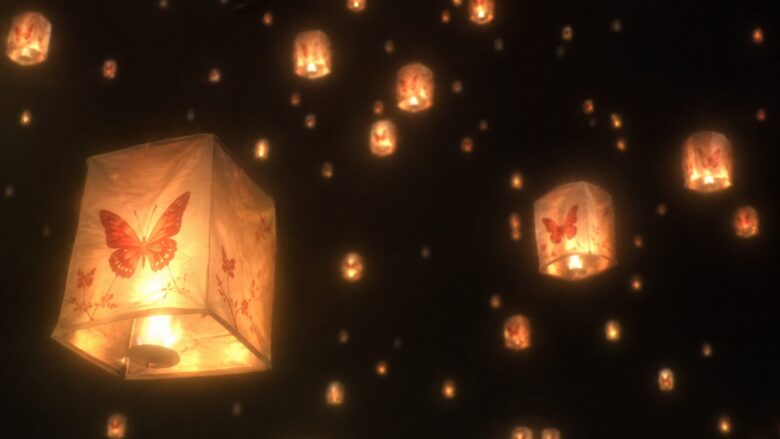
If we look only at the outcome, the Shadow Festival Ending is clearly a bad ending.
- Mio and Mayu do not survive.
- Minakami Village, the forest, and even the Stream of Memories shared by the two sisters are swallowed by darkness.
However, when we focus only on the relationship between Mio and Mayu, a slightly different warmth begins to appear.
In this ending, Mio does not leave Mayu behind and run away.
Mio chooses to stay by Mayu’s side, not as her protector, but simply as someone who still needs her.
And Mayu, too, embraces Mio at the very end.
The two of them, who had been divided into the one who leaves and the one left behind, are able, if only at the moment everything ends, to fall together into the same place.
They do not get to face each other alive as separate beings.
Nor do they overcome Mayu’s fear or Mio’s dependence within reality.
Even so, for just a little while, they are able to be in the same place.
There is no salvation.
But it is not as though nothing was there.
That ambiguous warmth is what keeps the Shadow Festival Ending from ending as mere destruction.
Summary: What Was the Shadow Festival Ending?
- If Frozen Butterfly is an ending where Mayu closes Mio inside, then Shadow Festival is an ending where Mio chooses, by her own will, to close herself in with Mayu.
- If Lonely Road Home and One Wing are endings where Mio leaves Mayu alone, then Shadow Festival is an ending where Mio falls together with Mayu.
- If Crimson Butterfly is an ending where Mayu’s need for Mio is brought to its final form, then Shadow Festival is an ending where Mio confesses that she, too, needed Mayu.
Shadow Festival is not only Mayu’s ending.
Mio’s weakness, dependence, and fear of being left behind also come to the surface at the very end.
The two are not saved.
The village is not saved.
Even so, Mio stays beside Mayu at the end.
And Mayu, too, holds the exhausted Mio in her arms.
This cannot be called happiness.
But it is not mere despair, either.
The Shadow Festival Ending can be understood as a shared-death ending that falls just short of redemption.
They could not return alive.
But at the very end, Mio did not leave Mayu behind.
In response to the pain of falling alone, Mio says:
“This time, we fall together.”
Only in that moment do Mio and Mayu finally reach the same place.
Was that salvation?
Or was it destruction?
Perhaps the Shadow Festival Ending is a conclusion that allows them to glimpse, just once, beneath the festival lights, the answer they could only reach at the moment of death.
If Shadow Festival is an ending where Mio and Mayu finally reach the same place at the moment everything ends, then The Promise is an ending where they promise “Together forever” once more within a future that still continues.
Next time, I will examine what The Promise Ending reveals—a new beginning in which Mio and Mayu remake their promise of “Together forever” without becoming one.
Thank you for reading, and I hope you will stay with me for the next article.
Fatal Frame II: Crimson Butterfly Analysis Hub
Fatal Frame II: Crimson Butterfly Analysis Series
Analysis Article #2: The Cliff Scene|Why Mio and Mayu See Different Worlds
Analysis Article #5: The Opening Scene|The Unfinished Words and Their Connection to the Endings
Analysis Article #6: Main Story Analysis|How Did Mio Change Throughout the Story?
Analysis Article #7: Crimson Butterfly Ending|Why Did Mio End Up Killing Mayu?
Analysis Article #8: Lonely Road Home / One Wing Endings|Explaining the Price Mio Had to Bear
Analysis Article #9: Frozen Butterfly Ending|Mayu’s Tearful Smile and the Head in the Hina Doll Room
Analysis Article #10: Shadow Festival Ending|Why Did Mio Say, “This Time, We Fall Together”?
Analysis Article #11: The Promise Ending|The Meaning of “I’ll Never Let You Go Again”
Analysis Article #14: Sprouting Wings + Remaining Sun Endings|What It Means for Mio and Mayu to Return Alive
*This article is part of the “Fatal Frame II: Crimson Butterfly Analysis” series.
*The images used in this article include unofficial AI-generated images inspired by the world of the game, as well as screenshots from FATAL FRAME II: Crimson Butterfly REMAKE and Project Zero 2: Wii Edition. All rights to Fatal Frame II: Crimson Butterfly belong to Koei Tecmo Games.
*This article refers to certain official materials that are currently difficult to obtain. Their contents are summarized only where necessary for understanding the story, while the article itself focuses mainly on analysis and interpretation.
コメント欄